

GeNasis™: A New Architecture
for Sodium Production
A production model designed for flexible, resilient, and controlled production of industrial and premium-grade sodium products.
-

Integrated On-Site Utilities
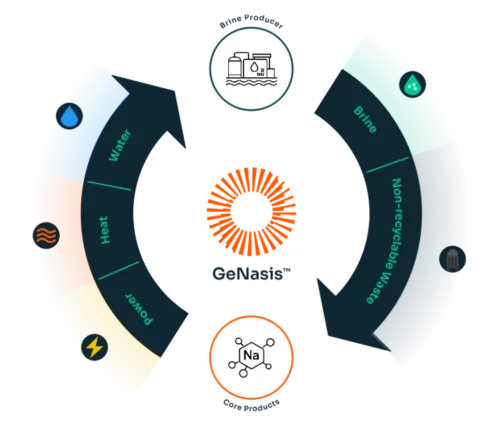
GeNasis™ operates as an integrated on-site utilities system, enabling independently scalable energy and brine management to deliver reliable, efficient, and predictable on-site performance.
-

Decentralised Sodium Source
Brine waste offers a decentralised, geographically unconstrained sodium source, supporting cost-competitive production while enabling supply to be developed closer to end users and demand centres.
-

Consistent Product Precision
Our closed-loop system architecture enables precision control over the entire production process, delivering consistent, high-spec sodium products with minimal waste generation.
-

Multi-Product Capability
The GeNasis™ system processes sodium via a single processing pathway, where sodium is transitioned from product to product. Using a multi-endpoint architecture, we can deliver a a bespoke range of sodium product types from a single site.
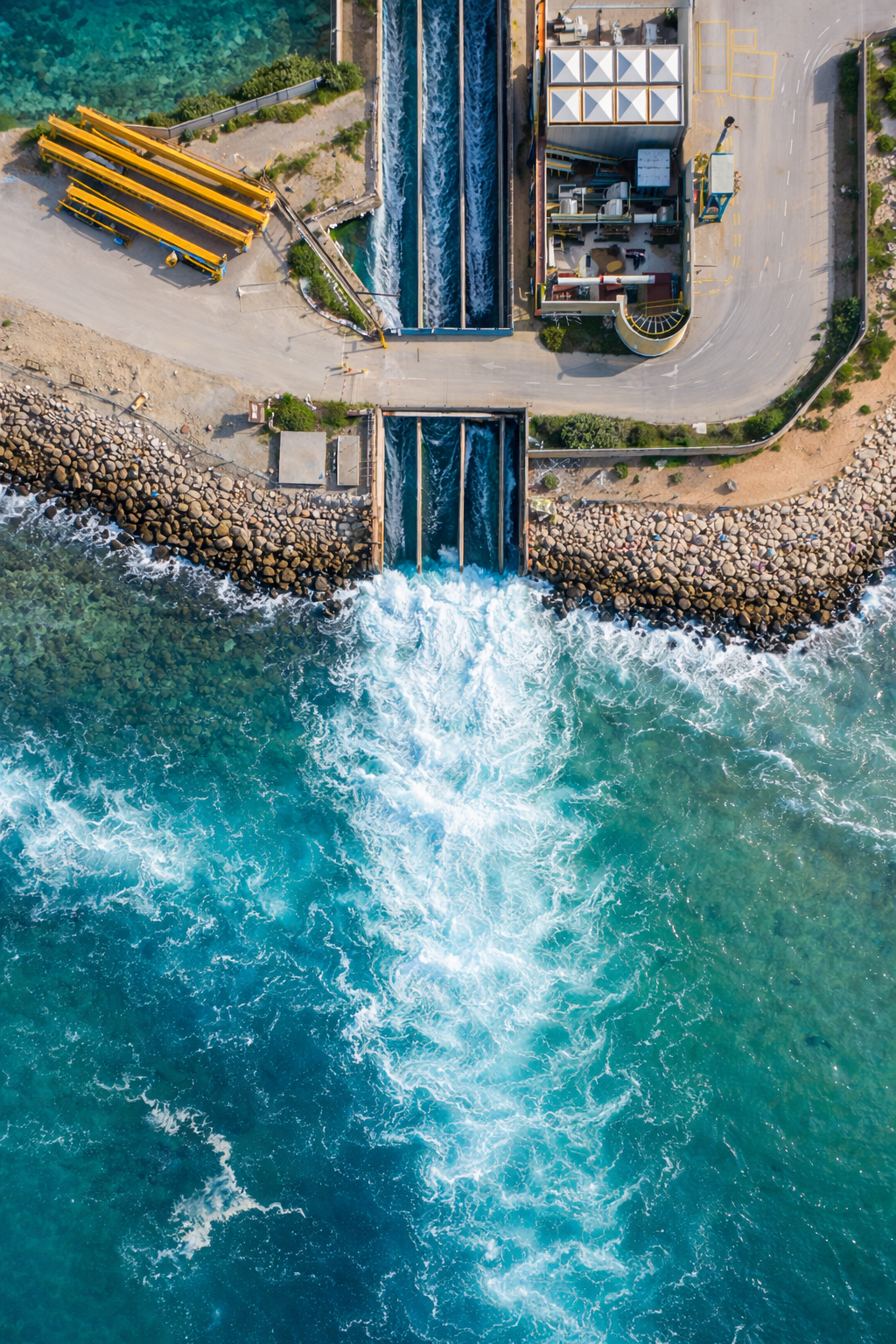
Find the brine
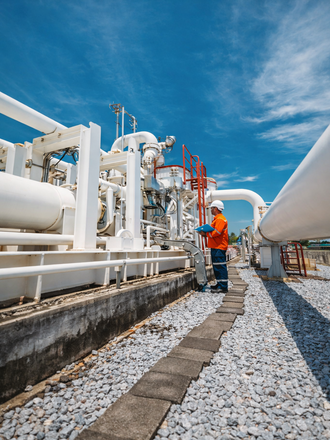
On-Site Integration
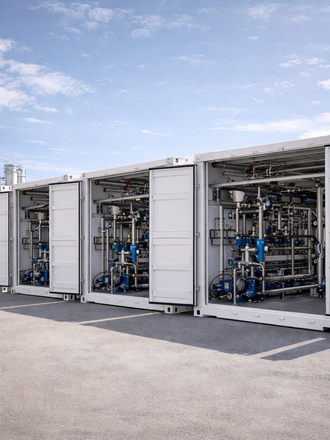
Scale the System
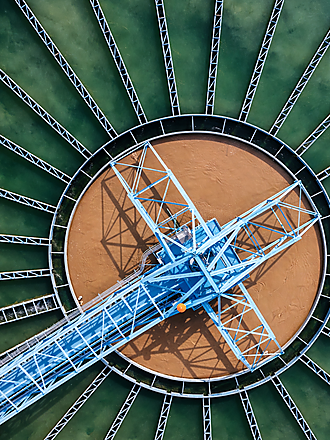
Separate the Sodium

Premium Products

Residuals Resolved
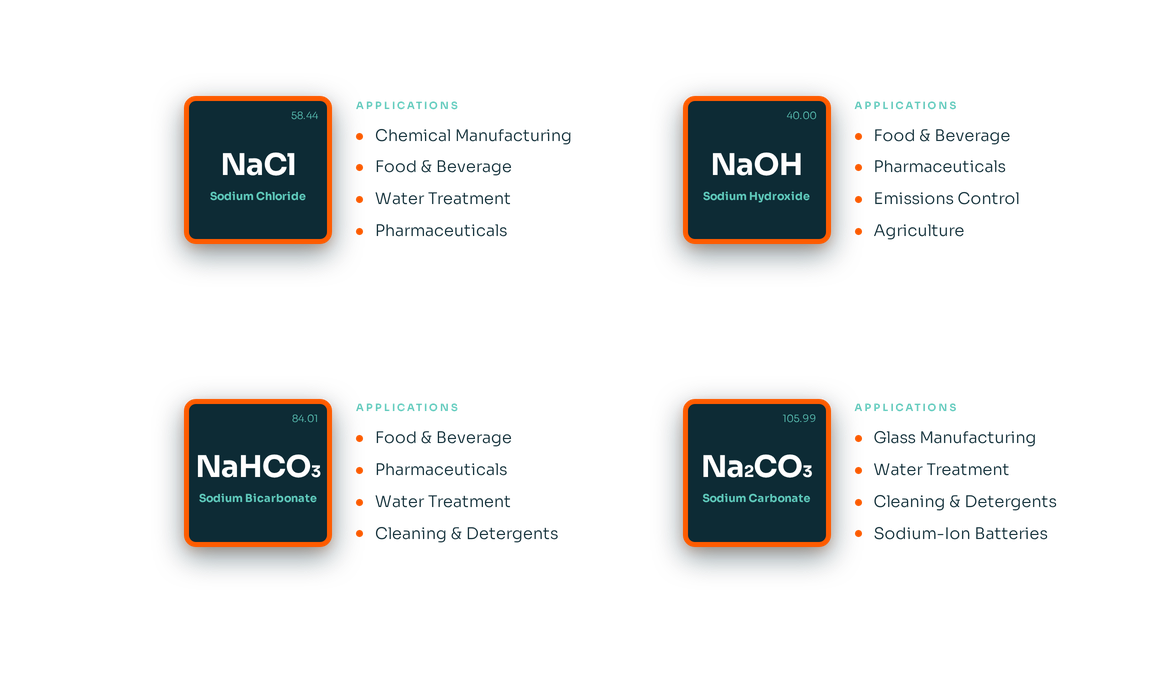
Our Products
Why this technology matters
Today’s sodium supply is defined by a handful of industrial routes. Each is intrinsically constrained in scalability, flexibility, and cost predictability – defining the limits of existing production models.
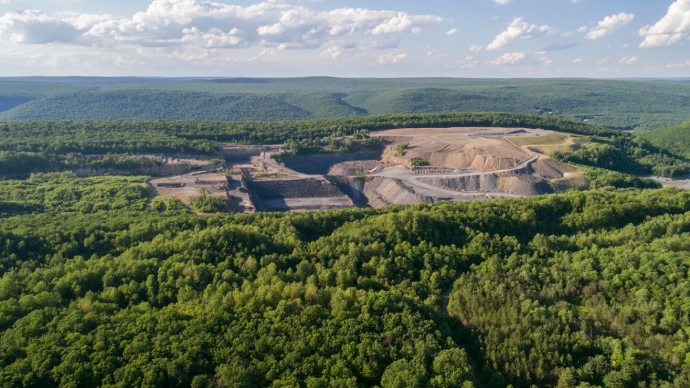
Geologically Locked Supply
Today’s sodium supply is defined by a handful of industrial routes. Each is intrinsically constrained in scalability, flexibility, and cost predictability – defining the limits of existing production models.
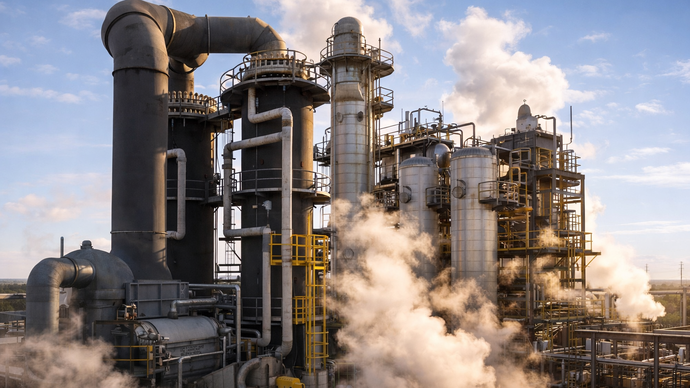
Waste-Intensive Production
Today’s sodium supply is defined by a handful of industrial routes. Each is intrinsically constrained in scalability, flexibility, and cost predictability – defining the limits of existing production models.
Volatile Energy Pricing
Today’s sodium supply is defined by a handful of industrial routes. Each is intrinsically constrained in scalability, flexibility, and cost predictability – defining the limits of existing production models.
Intermittent & Land-Intensive Power
Today’s sodium supply is defined by a handful of industrial routes. Each is intrinsically constrained in scalability, flexibility, and cost predictability – defining the limits of existing production models.
Backed by world-class research
Every GeNasis™ deployment is engineered, tested, and validated through independent research.
We collaborate with academic and technical partners to model system performance, define operational limits, and de-risk deployment at scale. This research-led approach ensures GeNasis™ can be deployed predictably, safely, and efficiently—without compromising reliability or control—ensuring every deployment remains at the cutting edge of innovation.
Frequently asked questions
Does integrating GeNasis™ require changes to existing operations or infrastructure?
GeNasis™ is deployed as a co-located utilities package, scalable to meet site footprint and operating requirements. Utilities interface with existing infrastructure, while brine management is integrated through auxiliary systems, allowing core operations to remain fully active during installation.
How does GeNasis™ allocate production capacity across different sodium products?
GeNasis™ operates using a single processing-pathway architecture in which recovered sodium progressively evolves its chemical state. A multi-endpoint design enables partial or complete recovery at defined stages, allowing multiple sodium products to be produced within the same modular process architecture.
What is the technical maturity of the GeNasis™ system?
While GeNasis™ is an early-stage integrated platform built on a novel system architecture, its underlying components draw from mature electrochemical and brine-processing technologies. Development is progressing through defined prototyping and testing phases to validate integration, performance, and operating limits ahead of pilot-scale deployment.
How is residual brine managed following sodium recovery?
Residual brine management is defined by partner and environmental site conditions, established during early-stage development. Post sodium recovery, GeNasis™’s modular design enables either the establishment of discharge of salinity-depleted brine via existing infrastructure or advancement to Minimum- or Zero-Liquid-Discharge to completely eliminate brine waste discharge.
Who owns, operates, and maintains the Alvera™ system?
GeNasis™ is deployed under a BOO (Build, own, operate) model, with all ownership and operational responsibility retained by us. This provides partners with a consistent and accountable on-site utilities solution, without requiring the addition of operational complexity.

For Investors
