
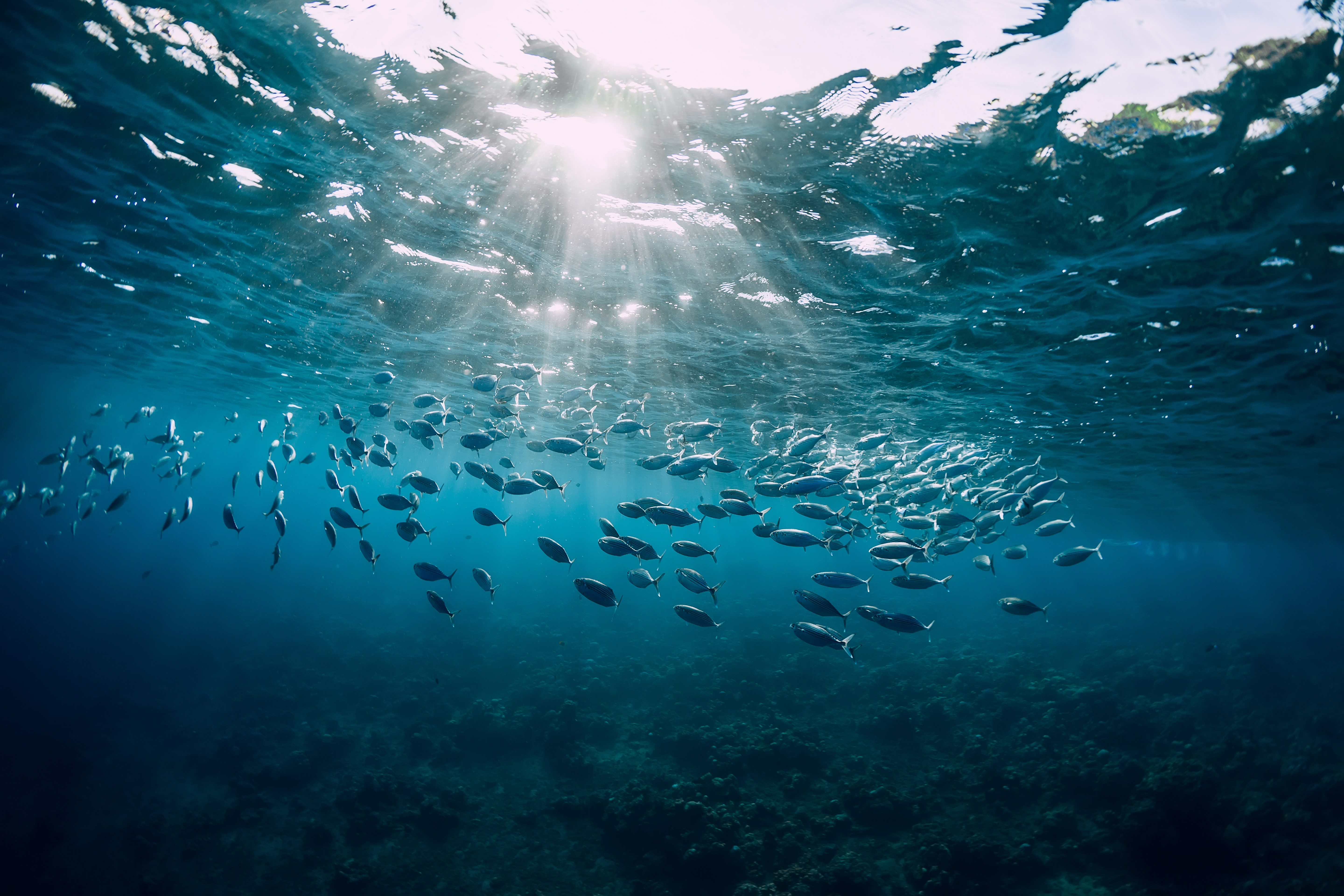
The cost of doing nothing
As demand for sodium products continues to grow, reliance on centralised production methods ensures environmental impact scales with it.
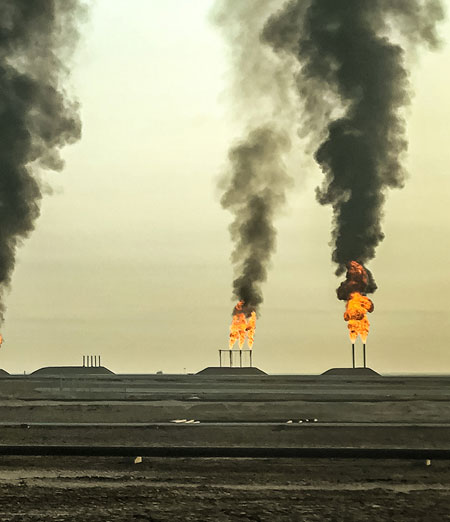
~54Mt CO₂
produced annually by global soda ash production
Baral, A., Galvez-Martos, J.-L., & Hanein, T. (2025). Realizing $CO_2$ emission reduction in lime and soda ash manufacturing through anion exchange. Green Chemistry, 27(13), 3431. https://doi.org/10.1039/D4GC05568C
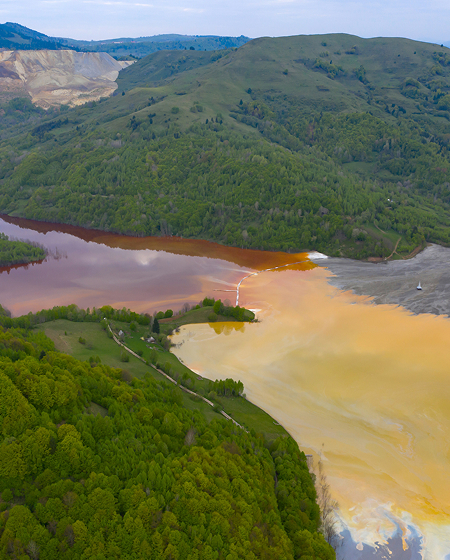
~1 tonne
of waste for every tonne produced
Speight, J. G. (2002). Chemical Process and Design Handbook. New York: McGraw-Hill Professional. https://www.academia.edu/37364900/Chemical_Process_and_Design_Handbook
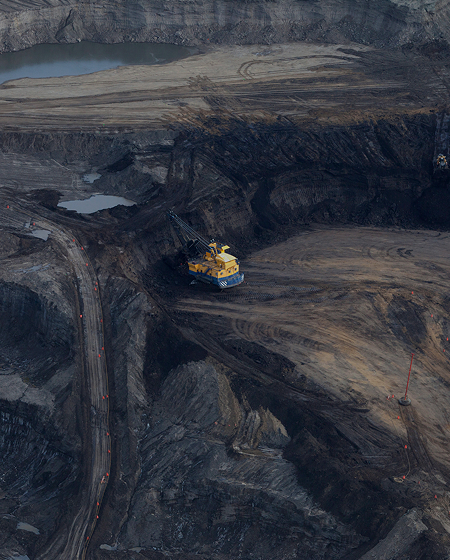
~£8 Billion
in annual climate damages
U.S. Environmental Protection Agency. (2023). Report on the Social Cost of Greenhouse Gases: Estimates Incorporating Recent Scientific Advances. U.S. Government.
The Way Forward
GeNasis™ incorporates a design-led approach to sustainability, integrating waste, energy, water, and materials within a single on-site system to address environmental impact directly.
-

Waste Valorisation
Powered by non-recyclable municipal and industrial waste diverted from landfill, we converts hypersaline brine waste into a localised source of premium-grade sodium
-

On-site Carbon Sink
Integrated energy generation allows the GeNasis™ system to mineralise on-site CO₂ into stable carbonates, supporting pathways toward carbon-negative operations.
-

Brine discharge elimination
GeNasis™ reduces hypersaline brine to feedwater-aligned salinity levels, capable of eliminating the detrimental impacts to coastal ecosystems in response to the release of hypersaline fluids.
-

Localised production
Through brine waste, we present a decentralised model where production takes place close to demand, reducing logistics complexity, transport distances, and associated emissions.
Science Before Sodium
Before any system is deployed, impacts are modelled, assumptions are tested, and clear performance limits are defined. Decisions are guided by evidence and independent review—ensuring sustainability is governed, measured, and demonstrable before deployment and continuously refined through subsequent assessments.
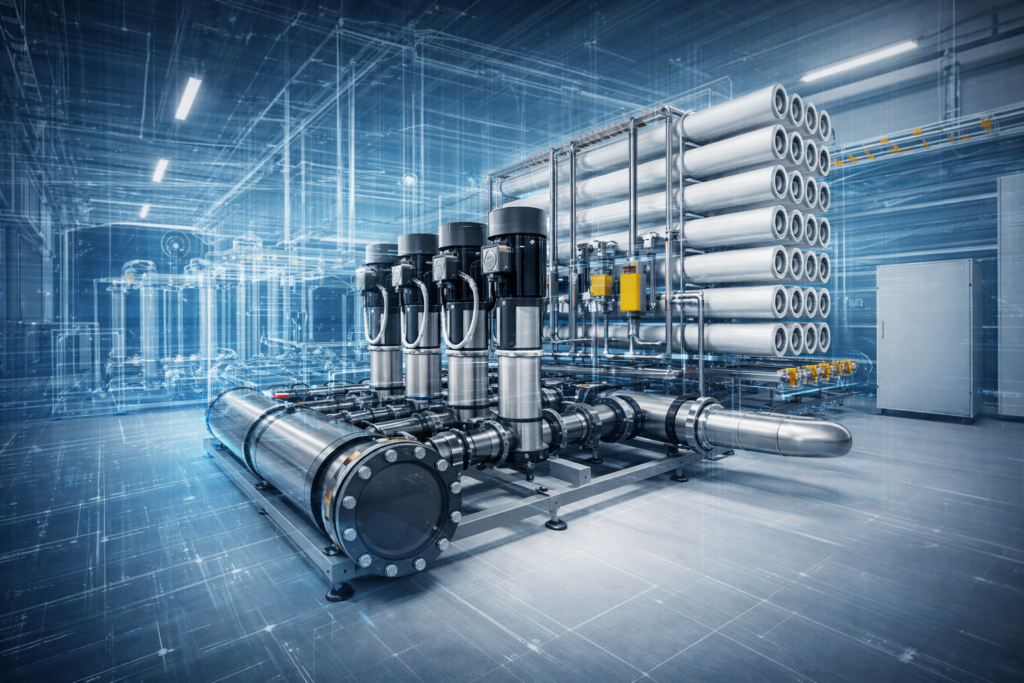
Pre-deployment modelling
Environmental and operational impacts are modelled before deployment to test assumptions, evaluate trade-offs, and define clear performance limits under site-specific conditions.
Independent review
Independent reviewers are engaged to provide honest, transparent scrutiny of assumptions, methods, and impacts across design and deployment—ensuring decisions are grounded in accountability, understanding, and continual improvement.
Measuring what matters
Our impact is measured against defined indicators, using transparent and independently verifiable methods to ensure accountability and support continuous improvement over time.

Waste avoided
The volume of non-recyclable waste diverted from landfill and reused.
Greenhouse gas emissions
The complete greenhouse gas lifecycle, assessed relative to traditional sodium production methods.
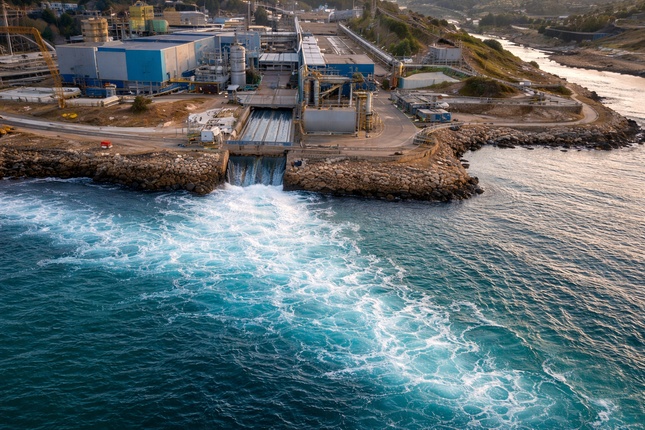
Water & Salinity
The volume of hypersaline brine waste prevented from discharge into aquatic environments.
Local socioeconomic impact
Local employment, skills development, and economic participation created through local operations.
Aligned with the highest global standards
Sustainability only carries weight when it’s held to account. That’s why we align deployment, assessment, and disclosure with robust, internationally recognised frameworks—applying consistent high standards across all regions and ensuring operations meet the highest expectations of industrial practice.

Built to exceed the bar
Our projects are delivered to the highest internationally recognised environmental standards—from design through to deployment—ensuring world-class benchmarks are upheld regardless of the region or regulatory landscape we operate within.

Independent review and disclosure
Assessments are subjected to independent technical review, with findings disclosed to regulators, researchers, and stakeholders—ensuring accountability is built into deployment, not applied after the fact.
Frequently asked questions
What is GeNasis™s carbon balance?
GeNasis™ is designed to operate with a low lifecycle carbon footprint. The conversion of hypersaline brine into premium-grade sodium products inherently mineralises CO₂, locking carbon into stable carbonates as part of the core process. Through optimisation of on-site energy generation — including fuel composition, operating conditions, and integration with carbon capture where required — the overall carbon balance can be engineered across a spectrum from carbon-neutral to carbon-negative performance.
Is the CO₂ permanently stored within the GeNasis™ process?
Yes. Within the production of sodium carbonates, CO₂ is chemically mineralised into stable solid compounds. The carbon becomes part of the molecular structure of the product itself and is not expected to be released under normal handling, storage, or industrial use conditions. Unlike temporary capture or compression-based storage, mineralisation creates a stable material form rather than a contained gas.
How does decentralised production reduce impact rather than relocate it?
By combining decentralised production with GeNasis™’s core technology, we create a complete localised supply chain that removes transport complexity, reduces emissions, and eliminates or minimises waste discharge. Consolidating operations within a single site ensures impacts are reduced at source while giving regulators and customers full transparency and accountability.
What data is publicly available, and how can it be accessed?
To access publicly available information regarding any of our projects, visit the Projects page, select the project of interest, and navigate to the Governance section.
What waste outputs does GeNasis™ generate, and how are they managed within a circular system?
Designed as a closed-loop system, GeNasis™ minimises external inputs and residual outputs. Treated brine is reduced toward feedwater-aligned salinity levels, with options to minimise or eliminate discharge through minimum- or zero-liquid discharge configurations. Energy recovery and ZLD residues are directed into established construction material pathways, where fly ash and mineralised carbon are converted into construction materials and performance additives.
Let’s build a better tomorrow
Alveare® is embedding circular and accountable resource systems at the core of operations.
We’re building the next era of industrial architecture — where will your place be?
Let’s talk.
Your information is private. We’ll be in touch within 24 hours.